-nakas
inalienable noun/na·kas/
Tajtzin Francisco Tepas (elder) · Nahuizalco · Lyle Campbell
Meanings
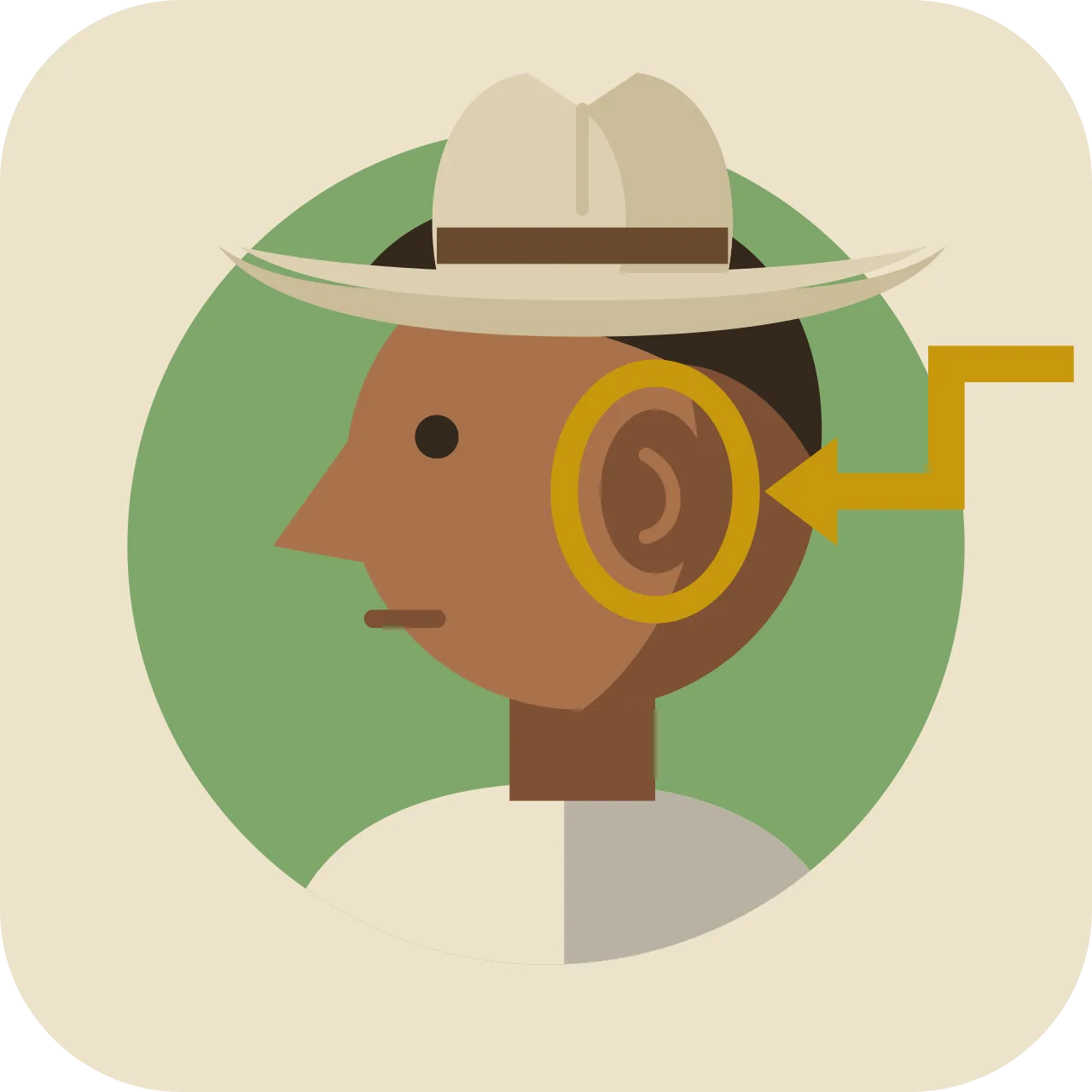
ear
Documented in Nahuizalco: Todd (1953), Izalco: Schultze Jena (1935), recorded 1930, Cuisnahuat: Campbell (1985), recorded 1970–1976
Sources: Schultze Jena (1935), Todd (1953), Campbell (1985), King (2011a), King (2011b), Hernández (2019), Ordóñez (2026)
The hyphen marks a word never said alone: it always takes a possessive prefix: nu- my · mu- your · i- his or her
Forms
- plural
- najnakas · Sources: Campbell (1985)
- possessed form
- inajnakas · Sources: Campbell (1985), King (2011b)munajnakas · Sources: Campbell (1985), King (2011b)nunajnakas · Sources: Campbell (1985), King (2011b)nunakas · Sources: Campbell (1985), King (2011b)
Pronunciation
nakas
Tajtzin Francisco Tepas (elder) · Nahuizalco
recorded by Lyle Campbell · Lyle Campbell · audio adapted by nahuat.com
nunakas
Tajtzin Francisco Tepas (elder) · Nahuizalco
recorded by Lyle Campbell · Lyle Campbell · audio adapted by nahuat.com
In the texts
- munajnakas2 times
- inajnakasonce
- nunajnakasonce
- nunakasonce
Sources
- Schultze Jena, Mythen in der Muttersprache der Pipil von Izalco (1935), recorded 1930
- Todd, Notas del náhuat de Nahuizalco (1953)
- Campbell, The Pipil Language of El Salvador (1985), recorded 1970–1976
- King, Léxico del Náhuat Básico (2011), recorded 2004–2008
- King, Timumachtikan! (2011), recorded 2004–2011
- Hernández, Nawat Mujmusta (2019)
- Ordóñez, Diccionario náhuat (2026)