nan
inalienable noun/nan/
Meanings
- 1
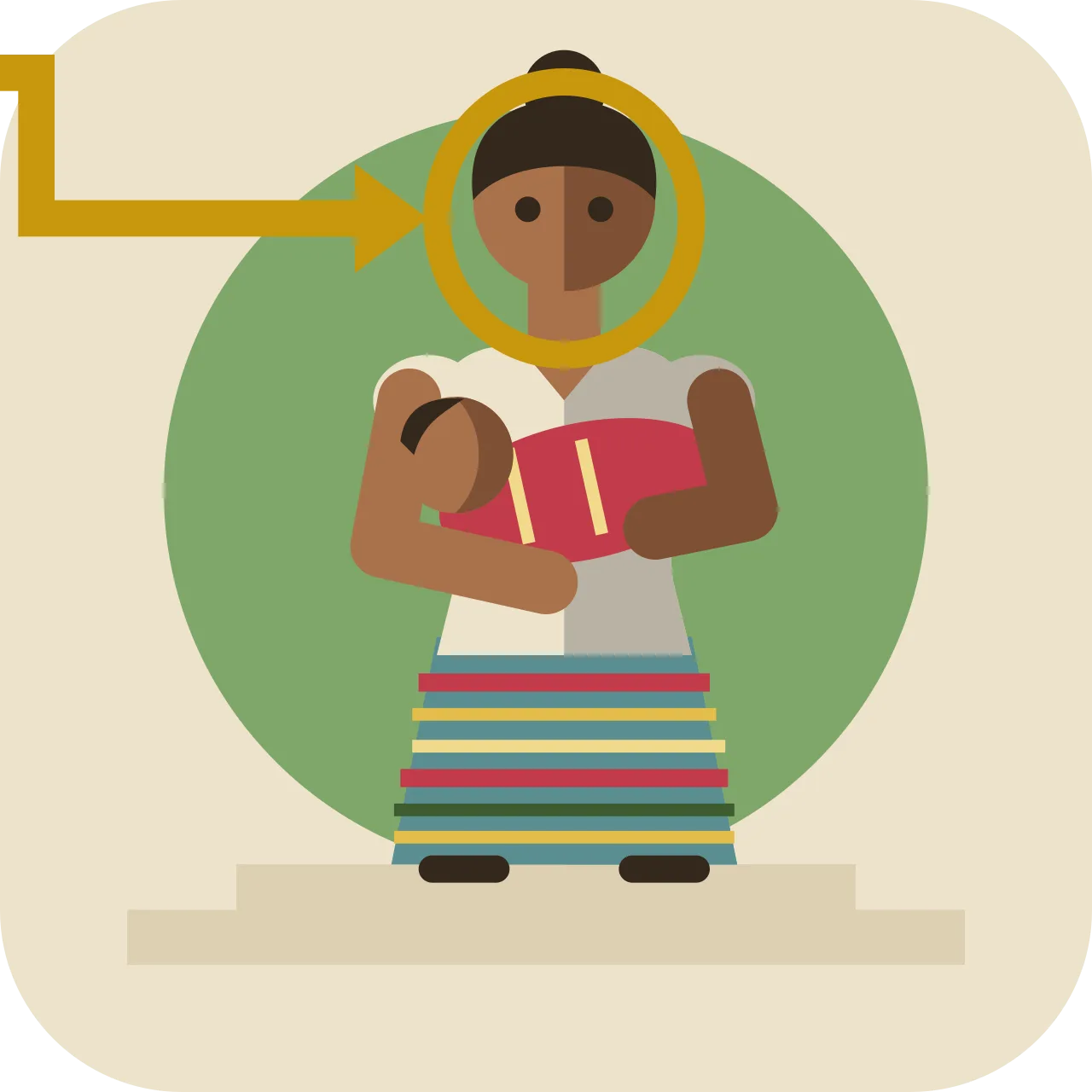
mother-naninalienable noun
Documented in Nahuizalco: Todd (1953), Izalco: Schultze Jena (1935), recorded 1930, Cuisnahuat: Campbell (1985), recorded 1970–1976, Santo Domingo de Guzmán: Ramírez (2004), recorded about 2000–2004
Sources: Schultze Jena (1935), Todd (1953), Campbell (1985), Ramírez (2004), King (2011a), King (2011b), Hernández (2019), Ordóñez (2026)
- 2
mom; ma'am, calling to an older woman (nana)noun
Documented in Izalco: Schultze Jena (1935), recorded 1930, The Izalcos (Izalco and Nahuizalco): Baratta (1951)
Sources: Schultze Jena (1935), Baratta (1951), King (2011a)
The hyphen marks a word never said alone: it always takes a possessive prefix: nu- my · mu- your · i- his or her
Variants
- variant
- nanarecorded in Izalco: Schultze Jena (1935), recorded 1930 · Sources: Schultze Jena (1935)
Forms
- plural
- najnan · Sources: Campbell (1985), King (2011a)
- possessed form
- nunanfirst person singular possessor · Sources: King (2011b), Cárcamo et al. (2023)munansecond person singular possessorinanthird person singular possessor · Sources: Schultze Jena (1935)tunanfirst person plural possessor · Sources: Todd (1953)
Pronunciation
nunan
Tajtzin Francisco Tepas (elder) · Nahuizalco
recorded by Lyle Campbell · Lyle Campbell · audio adapted by nahuat.com
munan
Tajtzin Francisco Tepas (elder) · Nahuizalco
recorded by Lyle Campbell · Lyle Campbell · audio adapted by nahuat.com
In the texts
Sources
- Schultze Jena, Mythen in der Muttersprache der Pipil von Izalco (1935), recorded 1930
- Baratta, Cuzcatlán típico (1951)
- Todd, Notas del náhuat de Nahuizalco (1953)
- Campbell, The Pipil Language of El Salvador (1985), recorded 1970–1976
- Ramírez, Naja Ni Genaro (2004), recorded about 2000–2004
- King, Léxico del Náhuat Básico (2011), recorded 2004–2008
- King, Timumachtikan! (2011), recorded 2004–2011
- Cárcamo et al., Achtu Taksalis (2023), recorded about 2019–2022
- Hernández, Nawat Mujmusta (2019)
- Ordóñez, Diccionario náhuat (2026)